

Why Kids Don’t Follow Rules
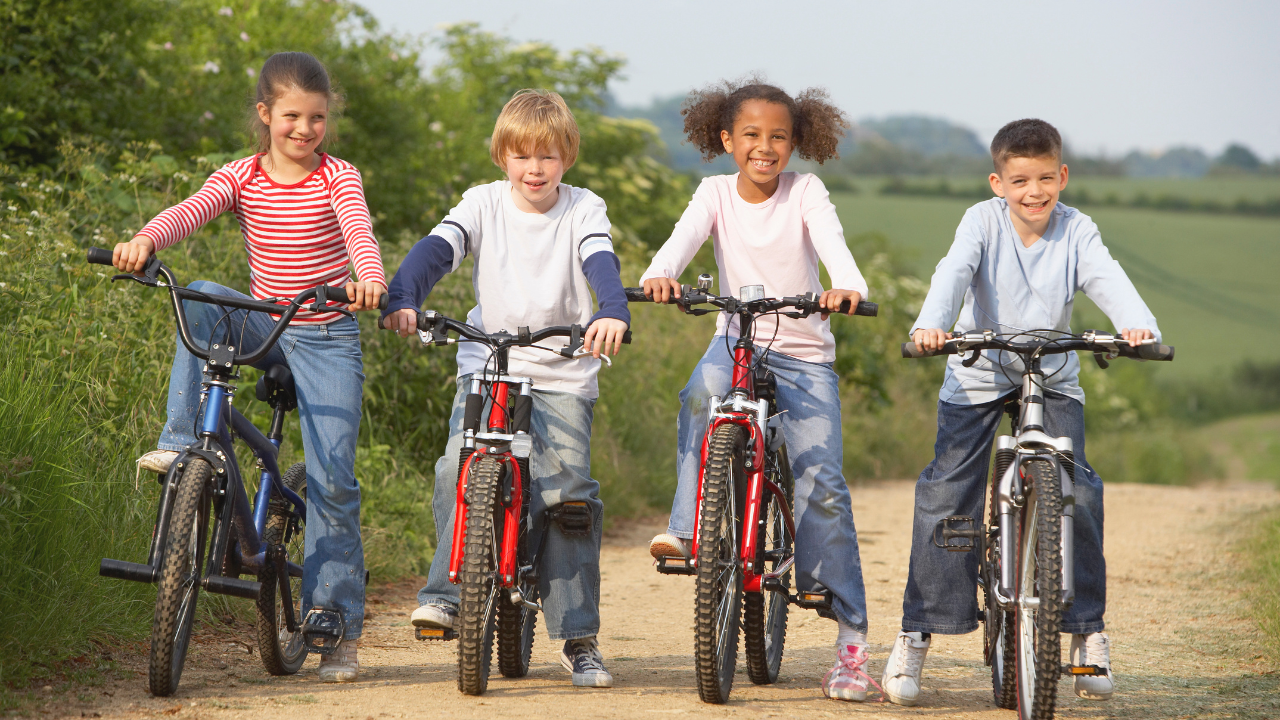
Your child knows he needs to wear his helmet when he rides his bike. You’ve told him more times than you can count.
But the second a friend shows up without one, he takes off down the street with no helmet in sight.
He knew the rule. So, what happened?
Following rules sounds simple until you break down what it takes in real time.
A child has to notice what’s happening, remember the rule, stop what they’re already doing, and choose something different, often while moving, distracted, or excited.
These abilities are part of executive function, the brain's system for pausing, planning, and managing impulses, which continues to develop throughout childhood and into adolescence and is closely linked to how emotional regulation develops over time.
Reasons Kids May Ignore Rules
Excitement
Fast, fun moments distract kids from following rules. Kids might chase a ball into the street, jump into the pool without thinking, or ride off without a helmet.
Tired or Overstimulated
When kids are tired or overstimulated, they tend to act first and think later. This is when you see them running ahead in a parking lot, forgetting to look before crossing, or ignoring rules they usually follow.
Peer Influence
Kids often take more risks when friends are around, especially when everyone is running, climbing, or riding fast.
Environment
Initially, kids will often remember rules tied to the place where they learned them. Rules that work at home might not come to mind at a friend’s house, on vacation, or in a crowded store. A child who follows the rules on his own street may forget them in a busy parking lot, at a crowded park, or at a pool he doesn’t know well.
School usually has routines, reminders, and adults nearby, which help kids stay on track. After a long day, it’s easier for self-control to break down — similar to what you see in after-school meltdowns.
Judgment
Safety rules are more challenging for kids than they seem because they depend on judgment, not just memory. A child might know to look both ways before crossing the street, but still step out when a car is closer than expected. They might not notice that a parked truck blocks their view, that a wet pool deck is slippery, or that riding downhill makes it harder to stop.
Improving judgment of speed, distance, and timing continues throughout elementary school.
How Safety Changes As Kids Grow
Age provides a starting point for approaching safety rules with children. Ultimately, keeping kids safe involves assessing the situation, offering appropriate supervision, and ensuring your approach aligns with your child's developmental stage.
Attention, impulse control, and overall maturity affect how a child applies what they know when things move quickly or change.
General age-appropriate expectations:
Younger School-Age Kids: Stay Close
At this age, a child may say exactly what to do and still act before thinking, especially when moving or excited. You see it when a ball rolls into the street or when they run ahead in a parking lot. They don’t always connect actions with serious consequences.
Short, concrete directions are best. They still need someone nearby most of the time. In younger kids, physical barriers such as gates and locks help create added layers of protection.
Older Elementary Age Kids: Build Experience
Impulse control is more reliable, but it weakens in new environments or when other kids are involved. A child might do everything correctly on a familiar street and then fail to do the same on a new one.
Repeating the same routes and situations and discussing what they notice helps develop the judgment and pattern recognition they can rely on later.
Tweens: Building Independence
Kids at this age can often handle more independence, but their judgment still varies by situation. They might think things through beforehand, but can make quick decisions when with friends or in unfamiliar settings. With increased independence, this may look like less direct supervision, more discussion before and after, and ensuring they understand what they're facing.
For example, before a bike ride, you'd ask: "Where are you planning to go? What's your plan if the group wants to ride somewhere you're unsure about?" After an incident, discussing what happened and what they would do differently helps with learning and follow-through.
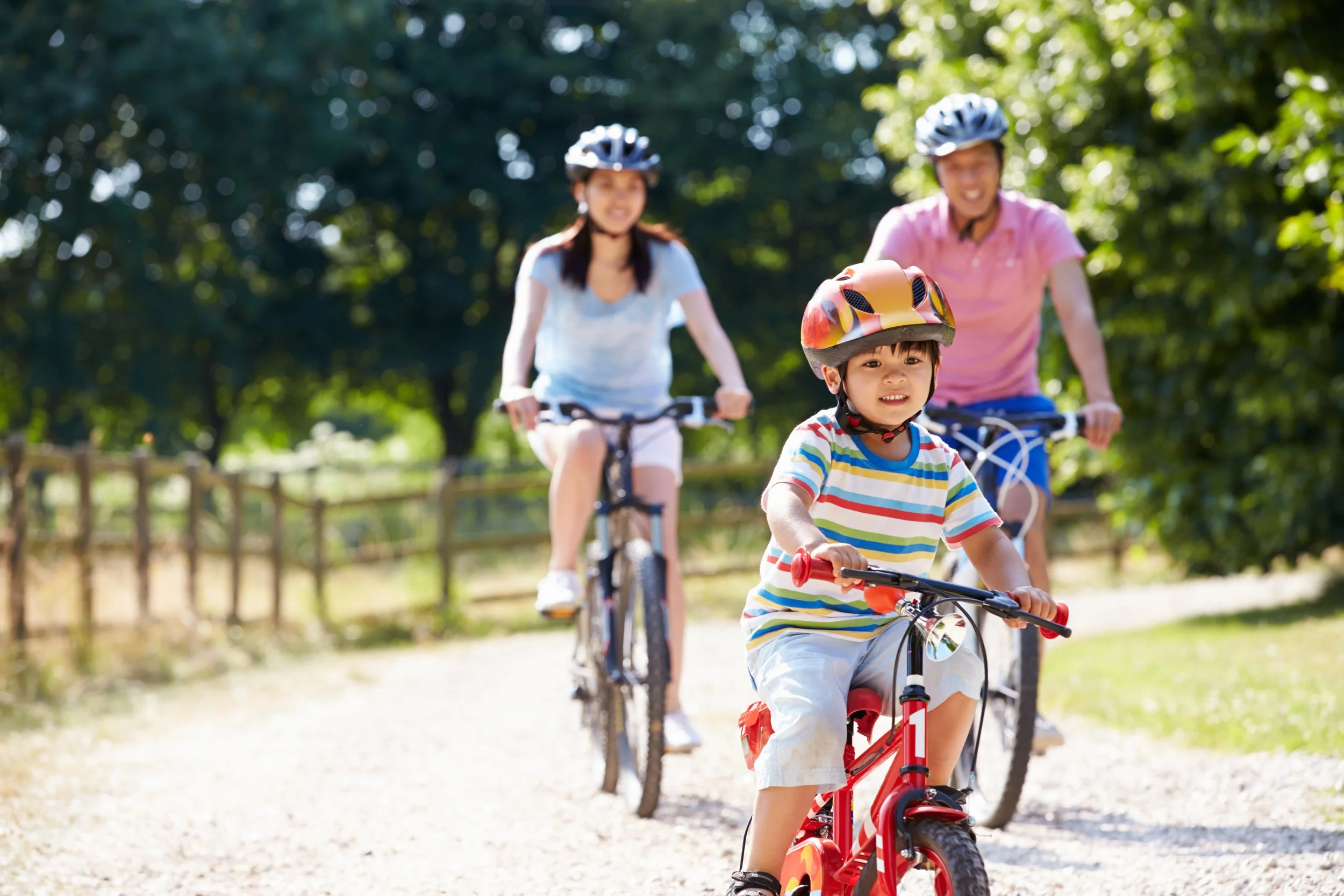
Learning how to navigate the world safely is a gradual process that develops in children. It’s a skill that gets better over time through practice, repetition, and proper supervision.
With experience, age, and better judgment in applying the rules, children will often become more reliable in following them, even when under pressure.
Written by Heather Acevedo, MD
Last reviewed: March, 2026
Medical Disclaimer: All PedsParent Network content is provided for informational and educational purposes only and does not constitute medical advice, diagnosis, or treatment. Use of this website does not establish a physician–patient relationship.
The information provided is not a substitute for individualized medical care. Always consult your child’s pediatrician or another licensed healthcare provider regarding any medical concerns or before making healthcare decisions. Never disregard or delay seeking medical advice because of something you have read on this website.
Published by PedsParent Network, LLC. For more information, please read our full Disclaimer, Terms, and Privacy Policy.