

Constipation in Young Kids: Pediatrician Answers Parent Questions
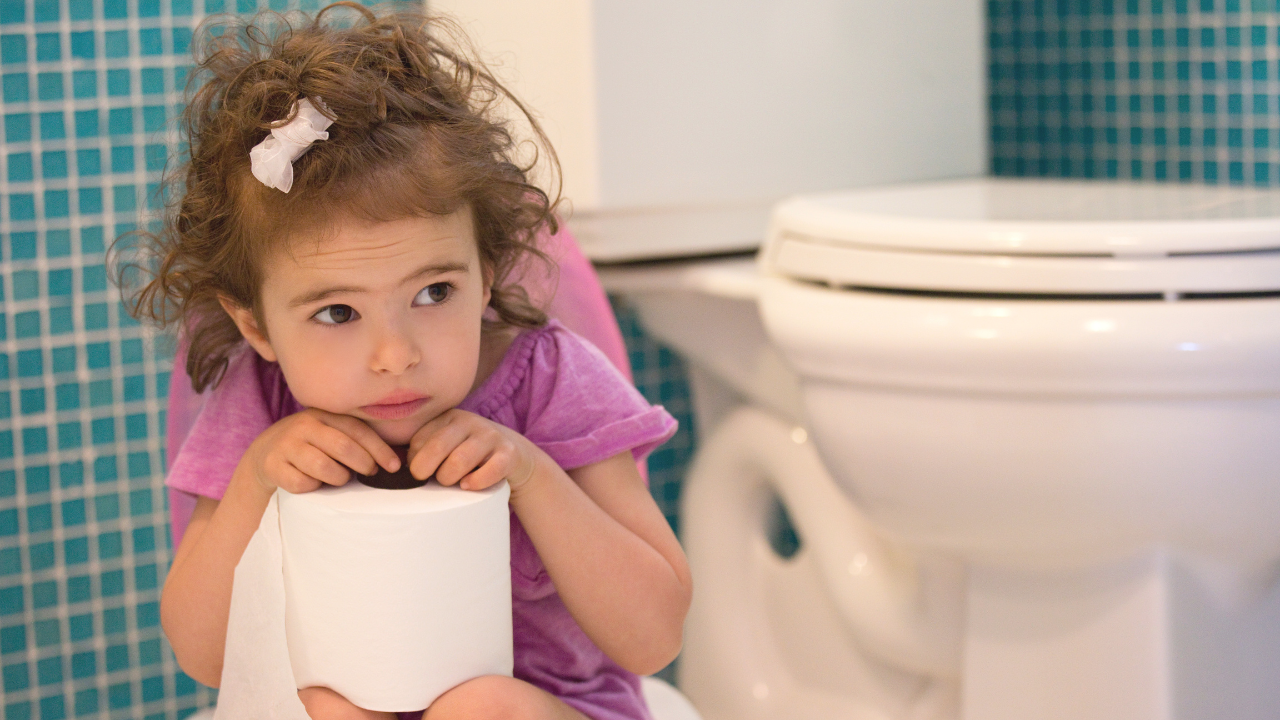
When your child is struggling with constipation, watching them in discomfort is tough — especially when you feel like you have tried everything and it keeps coming back.
Many parents want to understand why it returns, or why their child seems scared of the bathroom.
Here are answers to the questions pediatricians hear most from parents of toddlers and preschoolers.
A free Constipation Support Kit accompanies this post — link at the end.
What causes constipation in young children?
Constipation in children ages two to five can develop for several reasons:
The pain-avoidance cycle — a child experiences a painful bowel movement, begins avoiding the toilet, and the cycle becomes self-reinforcing. This is called functional constipation, the most common cause of constipation in toddlers and preschoolers.
Illness or stress — a stomach bug, fever, or emotional stress from a transition like starting preschool or a new sibling can trigger or restart constipation. Constipation that begins after a gastrointestinal illness is sometimes called post-infectious constipation.
Diet — low fiber intake or inadequate fluids can contribute, particularly in children with limited diets.
Medications — some medications can cause or worsen constipation. If your child is taking any regular medications and develops constipation, mention this to the pediatrician.
Low muscle tone or developmental conditions — constipation is more common in children with hypotonia, developmental delays, or conditions like cerebral palsy.
A pediatrician can help identify the cause and guide the next steps.
How do I know if my child is constipated?
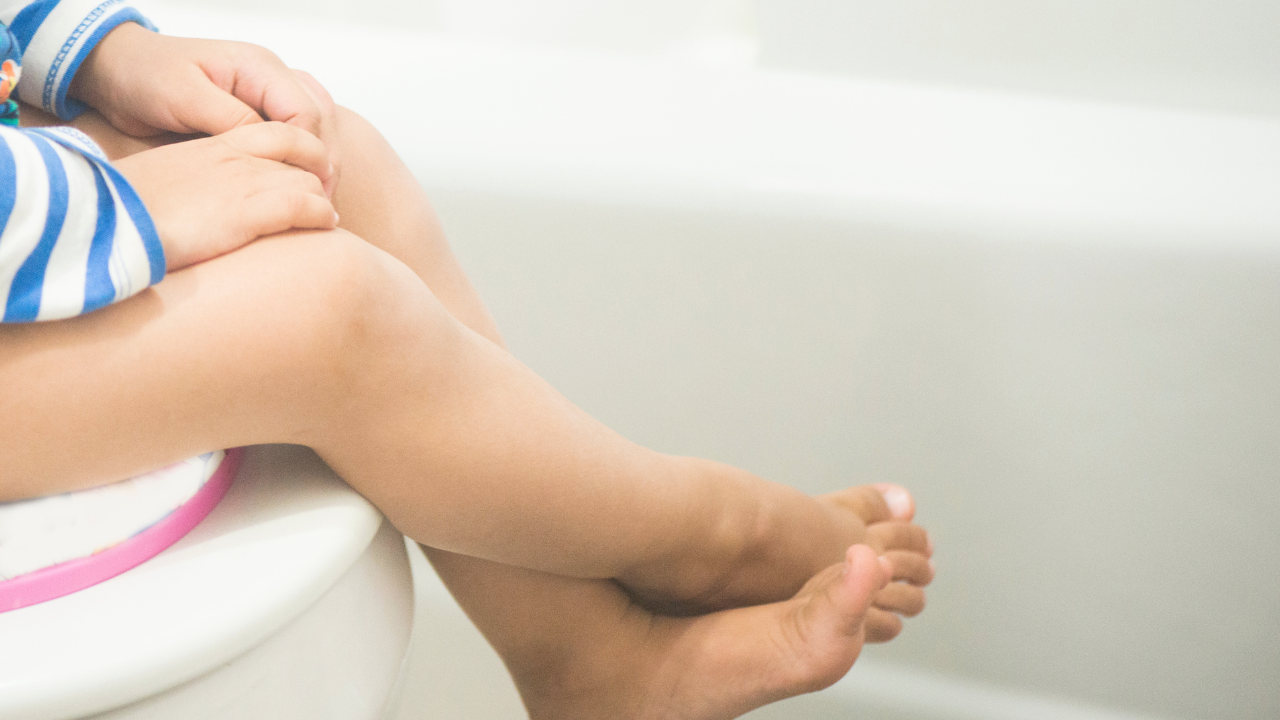
Constipation isn't always about how often a child has bowel movements. The clearest signs are firm pellets or a single large, hard stool that is difficult to pass.
Having fewer than three bowel movements a week, along with firm stools or signs of discomfort, can indicate constipation.
Children often have trouble describing where they feel discomfort. They might point to the belly button even if the problem is lower in the abdomen. Some children become cranky or eat less, and they often feel much better after a bowel movement.
Why is my child scared of the toilet?
After a painful bowel movement, many children begin to avoid having another. Hiding, rocking, or crossing the legs are common ways children try to hold stool in.
Withholding can look very similar to straining. A child who can pass stool usually relaxes. A child who is holding stool in often becomes more tense, moves away, or tries to distract themselves.
When a child withholds, stool sits longer in the colon, and more water is absorbed. The next stool becomes firmer and larger than the one before, making the next attempt more painful. Over time, the rectum can stretch to hold more stool, and the sensation of needing to go may decrease.
Requesting a diaper after months of successful training is common in these situations. The toilet is often linked with discomfort, while the diaper feels familiar and safe. For many children, asking for a diaper is an attempt to avoid pain.
When a child links a place or situation with pain, the urge to avoid it can happen automatically.
Why does constipation keep coming back even after we get it under control?
Fear of the toilet often outlasts the physical problem. A child can pass comfortable stools and still avoid the bathroom, ask for a diaper, and hold a bowel movement all day at preschool.
Stopping treatment too soon is a common reason constipation returns. Most children need at least two months of treatment, and a full month of comfortable, accident-free bowel movements before starting to reduce the dose.
Disruptions can easily restart the constipation cycle. A stomach bug, a new preschool, or a week away from home can be enough to bring the withholding back in a child who had been doing well for months.
Soiling accidents — in some children, liquid stool can leak around impacted stool in the rectum, causing accidents that look like regression or loss of toilet training. This is called encopresis, and it is unintentional — the child may be unaware that it is happening. Some children also develop small streaks of stool in their underwear before reaching full encopresis — this is called fecal streaking and is an early sign the cycle is becoming more advanced. Both warrant a conversation with the pediatrician.
What can I do at home for toddler constipation?
These strategies are often part of treatment at this age. Your pediatrician can help tailor them to your child.
Scheduled bathroom breaks after meals — eating triggers a wave of movement through the colon, and sitting on the toilet after a meal catches that wave. Five to ten minutes on the toilet after a meal, without pressure to produce anything, is enough. For a child who is scared of the bathroom, sitting calmly without distress is progress.
A footstool on an adult toilet — when a child's feet dangle, the angle of the lower bowel increases strain. A step stool that brings the knees to or above hip level straightens the path and makes passing a bowel movement easier.
Fruits with sorbitol (prunes, pears, apples): These contain a natural sugar (sorbitol) that the body can't fully absorb. Because it stays in the intestine, it draws water in, softening the stool naturally. Whole prunes can be a choking hazard for younger children.
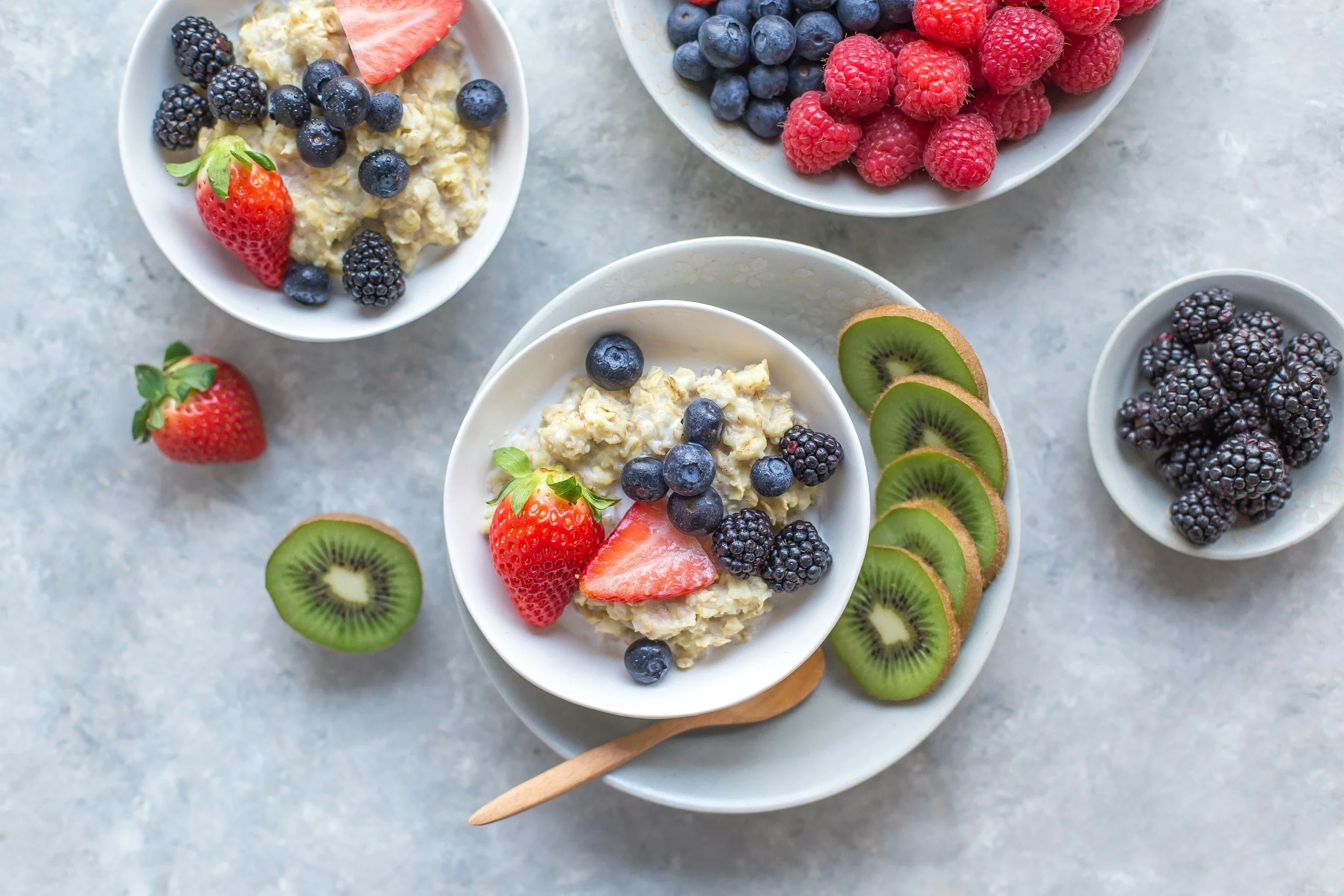
Diet and Hydration — ensuring adequate fiber and fluid intake can help prevent constipation.
General Fiber Guideline
Grams of Daily Fiber = Child’s Age + 5
For example, a four-year-old needs about 9 grams per day, and a five-year-old about 10 grams per day. A few servings of fruits, vegetables, and whole grains across the day are usually enough for most children.
For children with sensory sensitivities, extreme pickiness, or developmental feeding challenges, a pediatrician, registered dietitian, or feeding therapist can help develop a long-term plan.
Fiber supplements (powders or pills) have not shown benefit for constipation in children. The focus should be on fiber from food.
Fluids - Children ages 1-3 typically need about 4 cups of fluid a day, and around 5-6 cups of fluid by ages 4-5. Adding fiber without enough water to drink may not help and could cause discomfort.
For children already eating a varied diet and drinking normally, adding more of either is unlikely to resolve constipation on its own.
Dairy can contribute to constipation in some children. If constipation is not improving with other measures, doctors may recommend a 2-4 week trial without dairy.
Does my child need medication for constipation?
Here’s what your pediatrician may recommend
Polyethylene glycol — often sold as MiraLAX — is the most commonly recommended option for toddler constipation. It works by holding water in the stool, keeping it soft. It does not stimulate bowel muscles or create dependence. It is effective, well-tolerated, and considered safe when used under a pediatrician's guidance. The most common side effects are gas or loose stools if the dose is too high.
A common concern is that laxatives will make the bowel lazy or dependent. Polyethylene glycol holds water in the stool passively — it does not change bowel function on its own.
Concerns about behavioral side effects have been studied and not supported by current evidence.
Stimulant laxatives — such as senna or bisacodyl — directly stimulate the bowel muscles to produce contractions. They are faster acting but are not typically used for daily management.
For cases where stool is impacted, a pediatrician may recommend a suppository, an enema, or a higher dose of oral medication to clear the stool before starting maintenance.
How medication fits into the whole treatment plan
While medication can help soften the stool, it does not undo the fear of painful bowel movements. Scheduled bathroom breaks, praise for sitting, and consistent, soft, non-painful stools over time reduce the fear of the toilet.
Pediatricians typically recommend gradually reducing medication once the child has had a full month of comfortable, symptom-free bowel movements. Most children need at least two months of maintenance before reducing. Stopping abruptly when things seem better is a common cause of relapse.
Constipation at this age is rarely a quick fix. The cycle takes time to break, and setbacks are part of it.
We have created a Constipation Support Kit for parents to help you make sense of what you're seeing — from stool patterns to food and hydration targets and routines to promote healthy bathroom habits.
Last reviewed: April, 2026
Medical Disclaimer: All PedsParent Network content is provided for informational and educational purposes only and does not constitute medical advice, diagnosis, or treatment. Use of this website does not establish a physician–patient relationship.
The information provided is not a substitute for individualized medical care. Always consult your child’s pediatrician or another licensed healthcare provider regarding any medical concerns or before making healthcare decisions. Never disregard or delay seeking medical advice because of something you have read on this website.
Published by PedsParent Network, LLC. For more information, please read our full Disclaimer, Terms, and Privacy Policy.