

Why Kids Have After-School Meltdowns
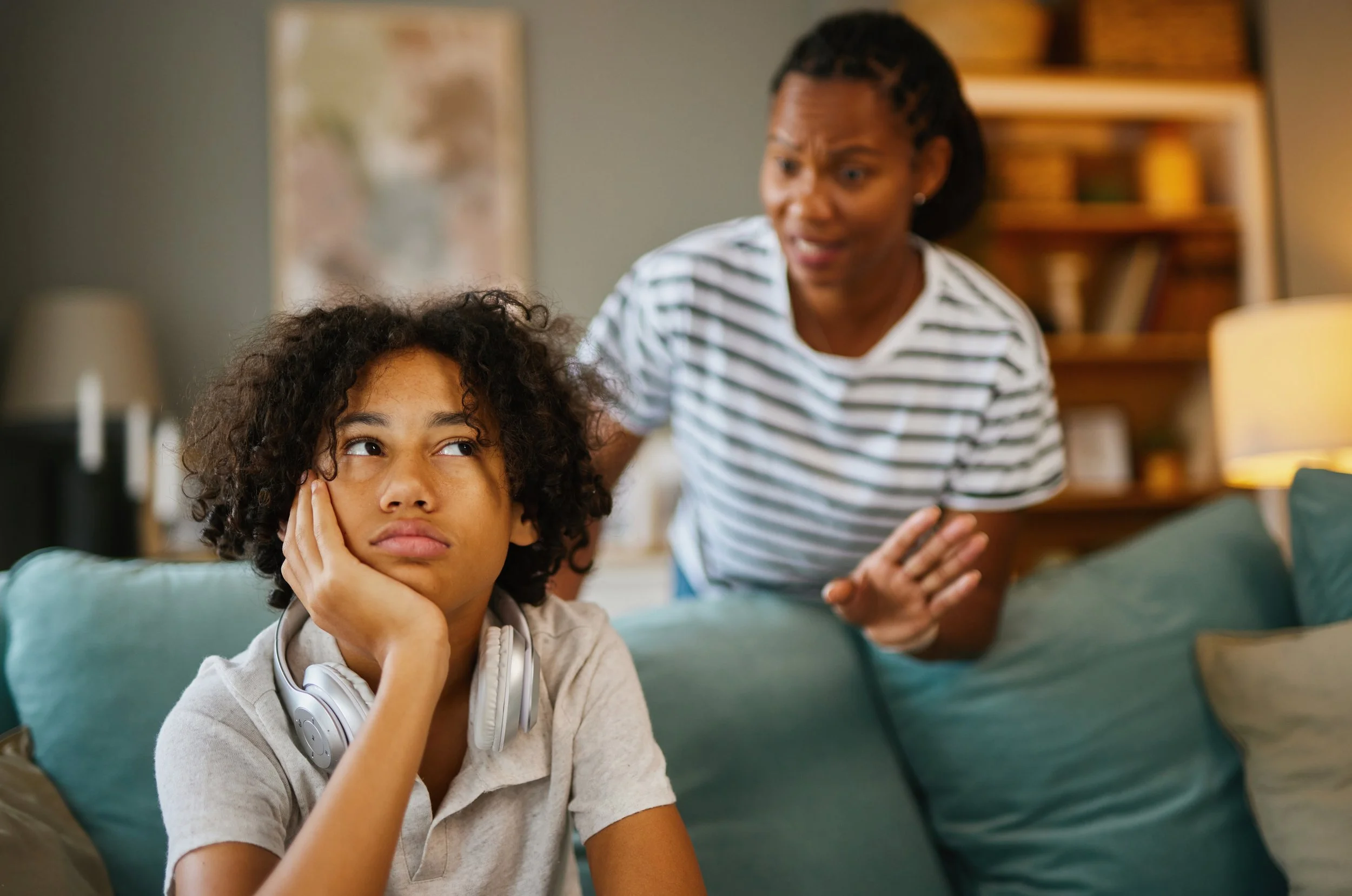
Your child held it
together all day.
You’re the one who gets the unraveling.
After a good report from school, most parents go straight to the same question: what did I do wrong?
After-school meltdowns don’t always mean something went wrong at home. Here’s what’s behind it, and what helps.
If you'd like a simple way to structure that first hour after school, I've created a free After-School Reset Menu — you'll find it at the end of this post.
Why Do Kids Have After-School Meltdowns?
Children regulate their behavior, attention, and emotions for hours at school — and that takes sustained effort. By the time they reach home, that effort is depleted. What looks like a meltdown after a good day is often release, not defiance.
During the school day, most children are managing far more than we see:
• Sitting still
• Following multi-step instructions
• Navigating peer dynamics
• Managing noise and transitions
• Adjusting repeatedly to adult expectations
Even when they succeed, that requires sustained energy and self-control.
By late afternoon, many children are simply depleted. Home is where that stored emotion comes out.
This pattern doesn’t mean your home environment is a problem. In fact, it often means the opposite: your child feels safe enough with you to finally stop holding it together.
The Hidden Load of a School Day
School is structured, social, and stimulating. Children are expected to regulate their bodies, emotions, and attention for hours at a time. That regulation can take a toll on their energy and mood.
Mental Exhaustion
Sustained attention and constant adjustment drain mental energy. By afternoon, even simple questions — “How was school?” “Where’s your folder?” — can feel overwhelming when flexibility is already low.
Holding Feelings In
Many children hold in frustration, disappointment, or embarrassment at school. They may not cry when they lose a game, not argue when corrected, not complain when something feels unfair. After storing all of that emotion in, home is often when it is released.
For older children and tweens, this might look like irritability, sarcasm, or withdrawing to their room — all ways of releasing the effort of navigating middle school social dynamics.
Sensory Overload
Classrooms can be noisy and bright. Transitions are frequent. Social expectations are constant. For some children — especially those sensitive to noise, movement, or social stress — that input builds up across the day. By afternoon, their nervous system is saturated.
Hunger
A long gap between lunch and pickup can lower frustration tolerance. Hunger amplifies irritability — and a small physical need can show up as a big emotional meltdown.
Pause Before Adding Demands
When your child walks through the door, resist the urge to move straight into questions, reminders, or corrections. Even neutral requests add cognitive load at a moment when flexibility may already be low.
Start by slowing yourself down:
• Lower your volume
• Use fewer words
• Delay problem-solving
“I’m glad you’re home” is a simple place to start.
This doesn’t mean ignoring responsibilities. It’s about optimizing timing. A brief pause at the start reduces the likelihood of escalation.
Quick check: Are YOU depleted too?
If you’re coming off a long workday, managing your own stress, or juggling multiple pickups, your capacity for patience is also lower. That’s normal — and it affects the dynamic. If you’re running on empty: pause before you walk in the door, give yourself the same low-demand transition you’re offering your child.
Protect the After-School Transition
Many children do better when the first part of the afternoon is predictable and low-demand. What helps will vary — some want to talk right away, others need quiet — but most benefit from fewer expectations at the start.
Offer Narrowed Choices
Instead of open-ended questions, try limited options:
• “Would you like a snack first or go outside?”
• “Do you want to talk now, or after a break?”
Limited choices reduce decision fatigue while preserving autonomy.
Create a Predictable Routine
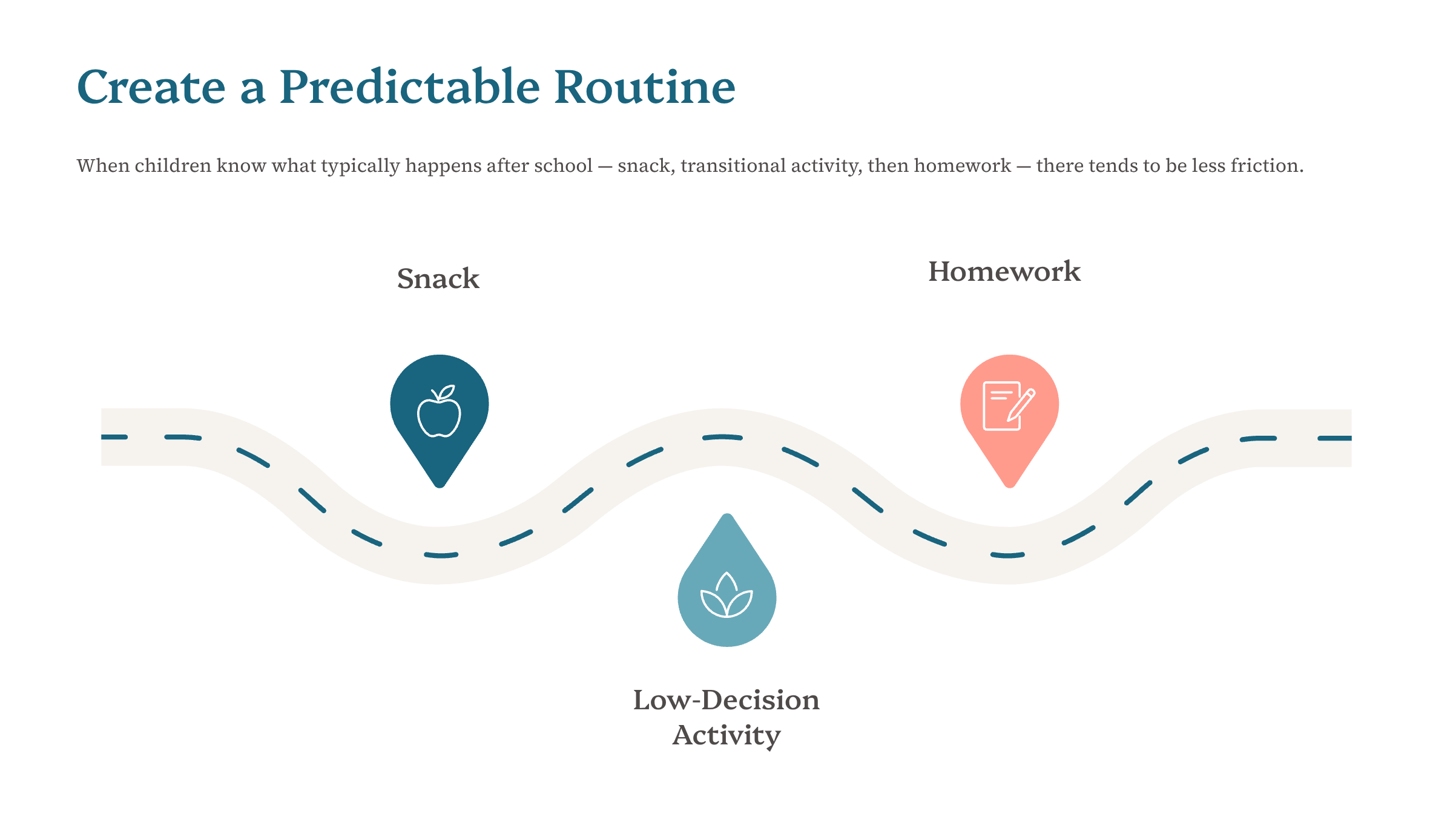
When children know what typically happens after school — snack, movement, then a quiet activity — there is less negotiation. A sample structure:
• Snack
• Low-decision activity (movement, drawing, quiet play)
• Homework (if applicable)
Start With Basic Physical Needs

Before addressing behavior, check the basics.
A balanced snack and water can support mood and focus.
Examples include:
Apple slices with peanut or almond butter
Cheese and whole-grain crackers
Yogurt with fruit
A turkey roll-up and pretzels
Hummus with carrots and pita

After that, keep the next activity low-decision and familiar:
Drawing or journaling
Modeling clay
A short walk
A designated activity space with rotating low-key materials
Hunger, mental fatigue, and sensory load reduce frustration tolerance. Small resets often change the tone of the afternoon.
Limits Still Apply
Reduced demands at the start doesn’t mean no expectations. If behavior crosses a line — yelling at a sibling, throwing something, speaking disrespectfully — respond briefly and clearly:
“I know you’re tired. I’m not going to let you yell.”
Brief, calm corrections tend to be more effective than extended lectures, especially when a child is already dysregulated. If the behavior continues: repeat the limit once, then follow through consistently if a consequence is part of your approach. Long explanations rarely help in the heat of the moment.
Talk Later, When Everyone Is Calm
Once everyone is calm, come back to it briefly. Name the limit — 'We don't yell at each other' — ask what made that moment hard, and help them think through what they'd do differently next time.
When It Might Be More Than a Transition
Most of the time, after-school meltdowns are just what they seem: tired kids decompressing. You know your child’s baseline better than anyone.
If the pattern improves with rest and predictable structure, it is often part of normal effort and depletion.
If the intensity feels out of proportion, persists beyond the early afternoon, or begins to affect school performance, friendships, sleep, or overall mood — it’s reasonable to take a closer look.
Concerning patterns may include:
• Distress most days that does not ease with structure
• Increasing school avoidance
• Ongoing academic decline
• Significant anxiety about school
• Mood changes extending beyond the after-school window
After-school behavior can sometimes reflect a specific underlying concern — including learning differences, attention challenges, anxiety, or other stressors. If something doesn’t sit right, bring your observations to a pediatrician, school counselor, or licensed mental health professional.
Now you know what’s happening and why. The harder part is the moment itself — standing at the door at 4 pm, tired, when your child is already unraveling.
The After-School Reset Menu is a free printable that takes the decision-making out of that moment.
Activities organized by what your child needs — whether they need to move, create, or relax — so you’re not improvising when your patience is already thin.
Frequently Asked Questions About After-School Meltdowns
-
Because sustained emotional and behavioral regulation is exhausting. Home often becomes the safe place where stored stress is released.
-
Yes. Many children experience after-school behavior changes due to mental fatigue, hunger, or sensory overload.
-
They often improve as emotional regulation and independence develop, though transitions can remain sensitive for some children.
The Big Picture
When kids have after-school meltdowns following a “great” school day, it can feel confusing — even personal. But often, it is decompression.
With predictable structure, reduced demands, attention to physical needs, and brief limits, the after-school window typically becomes easier to understand.
Medical Disclaimer: All PedsParent Network content is provided for informational and educational purposes only and does not constitute medical advice, diagnosis, or treatment. Use of this website does not establish a physician–patient relationship.
The information provided is not a substitute for individualized medical care. Always consult your child’s pediatrician or another licensed healthcare provider regarding any medical concerns or before making healthcare decisions. Never disregard or delay seeking medical advice because of something you have read on this website. For more information, please read our full disclaimer.