

Why Kids Can’t Fall Asleep: A Pediatrican’s Perspective
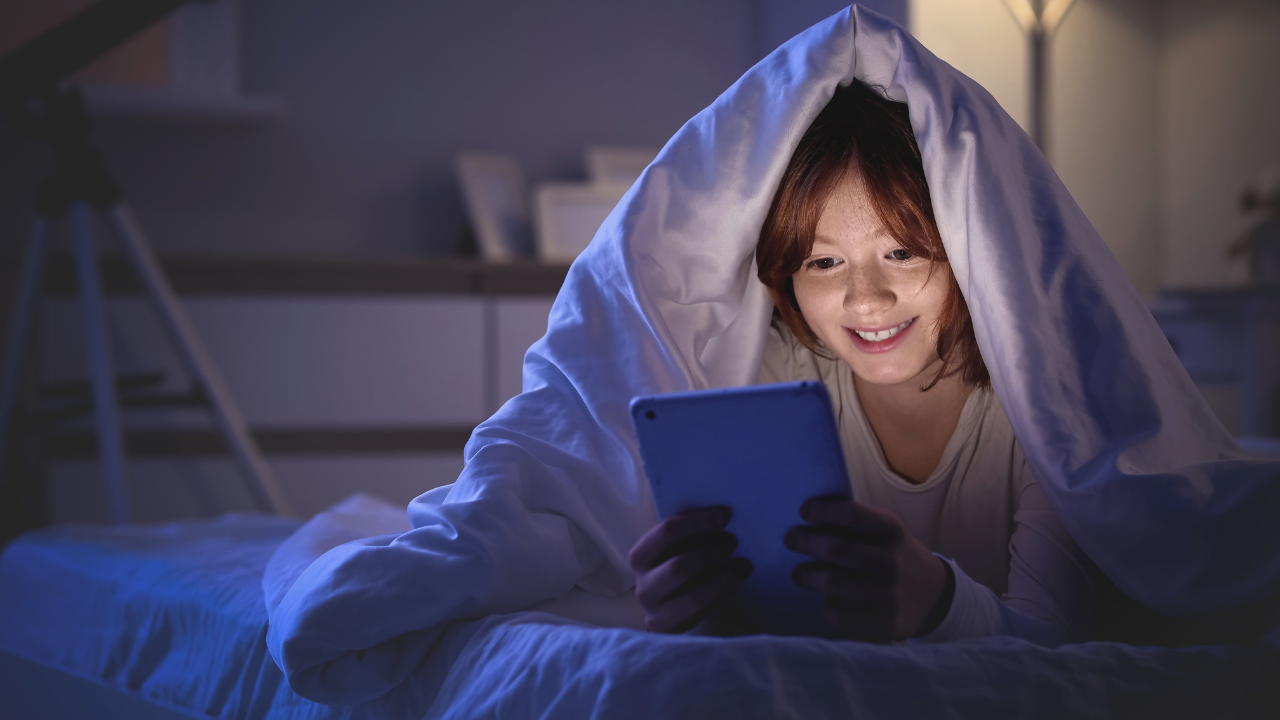
Your child is in bed, the lights are off. But they’re still awake. Many families can relate to this at some point.
When kids can’t fall asleep, there’s rarely just one explanation — temperament, health, and routine all play a role. But a few patterns come up often enough that pediatricians recognize them quickly — and there are often adjustments that can help.
How Bedtime Routines Can Help — and Backfire
Most parents already know that bedtime routines can be helpful. The issue isn't always the routine itself — it's the way it ends. When a child consistently falls asleep before a parent leaves, or before the screen goes off, falling asleep on their own isn't something they get used to doing.
Their behavior — the extra requests, the sudden questions, the calling out — is often a reaction to not knowing how to settle on their own.
Trying to accommodate by adding more to the routine tends to reinforce the underlying issue. Each addition delays the moment a child settles on their own. Exhaustion takes over eventually — but the same problem is waiting the next night.
The goal is to leave the room while your child is still awake. A commonly used approach is to ease into that gradually: stay until they’ve settled, then leave a little earlier every few nights. Over time, they learn to take it from there.
A consistent school-age bedtime routine doesn’t need to be complicated. The American Academy of Pediatrics recommends a simple sequence: bathe, brush teeth, books, bed.
Reading a printed book before bed is linked to longer and better sleep in school-age kids. It provides a natural transition that often makes leaving the room smoother.
The Active or Worrying Mind at Bedtime
When a child calls out after lights-out — one more question, a worry about tomorrow, a request for another check-in — the natural response is to answer. During the day, activity and conversation keep their mind occupied. When everything gets quiet at bedtime, all those worries tend to come up — and that can interfere with their transition to relaxing and getting sleepy. Answering all of the questions may help in the moment, but it reinforces the pattern that worries must be resolved before sleep can happen — rather than helping them learn they can tolerate uncertainty and still fall asleep.
Breathing exercises: Slow breathing gives an active mind something to focus on other than the worry. Breathe in through the nose, let the belly rise, then breathe out slowly through the mouth. This works best as a tool your child reaches for when they notice anxiety rising — not as a required step in the routine.
Check-ins: For the repeated check-ins after lights-out, it helps to give your child a way to act on the worry without it turning into a back-and-forth. Try giving them a token or two at bedtime — anything small works. Each one can be exchanged for a single brief check-in if they need it. Unused tokens can be traded for a small reward in the morning. Knowing the option is there often reduces the need to use it. When they use one, keep it short — a quick reassurance, and then goodnight.
When Your Child Just Isn’t Tired at Bedtime
You put them to bed at a reasonable hour and they’re still awake an hour later. Some nights they fall asleep without difficulty. Others they’re wide awake at the same time with no obvious explanation.
Two things determine whether a child is ready to fall asleep: your child’s body clock, which responds to light and routine, and the tiredness that builds up during the day. When either one is off, this can lead to kids not being tired at bedtime.
In the time before bed, the body needs a chance to slow down — and several common habits can get in the way of that.
Screens
Screens are one of the most common factors. They delay sleep primarily by occupying the time the body needs to slow down — that transition doesn’t begin until the screen is turned off. Using screens in bed has the strongest link to delayed sleep onset. Keeping devices out of the bedroom prevents it.
Caffeine
Caffeine can add up from sources parents don’t always think of — soda, tea, chocolate, and energy drinks. Keeping it limited, and avoiding it later in the day, can help. Energy drinks are a particular concern — a single serving can contain a significant amount of caffeine.
Schedule
An inconsistent schedule is another common factor. The body’s internal clock responds to signals — and the most reliable one is when your child wakes up in the morning. Keeping that consistent, including on weekends, helps set when the body expects to feel sleepy at night.
Naps
Kids who don’t sleep well often feel tired enough to nap the next day — but that nap makes the next bedtime harder. The cycle tends to repeat.
Activity
Kids who are active during the day tend to fall asleep more easily at night — outdoor play, sports, or anything that gets them moving all count. The exception is activity too close to bedtime, which can make it harder to fall asleep.
When several of these habits overlap, kids may not be ready to sleep at bedtime. For many families, addressing even one of these factors often makes bedtime easier.
When to Talk to Your Pediatrician About Sleep
Not every sleep difficulty fits neatly into one of these patterns. Any concern about your child’s sleep is reason enough to bring it up.
Some concerns point to other causes:
Loud snoring or breathing pauses during sleep
Significant daytime sleepiness not explained by a late night
Sleep difficulties lasting several weeks without improvement despite adjustments
Frequent night awakenings
Worry that extends into the day — affecting school, friendships, or daily activities, sometimes alongside physical discomfort such as headaches or stomachaches — usually warrants a closer look. Sleep difficulties and anxiety can overlap.
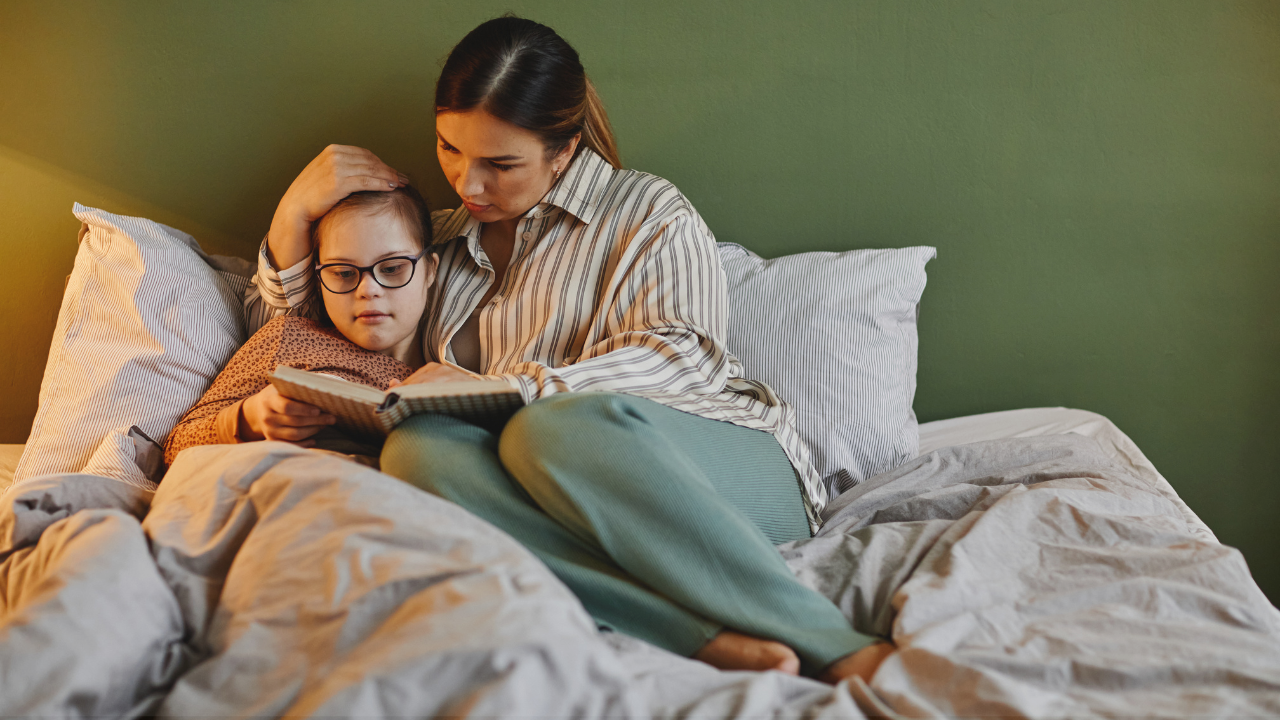
Sleep difficulties in school-age children are common. For many of the patterns that make bedtime challenging, there are steps parents can take that can lead to a realistic improvement in their child’s sleep habits.
Frequently Asked Questions
-
A child’s readiness to sleep depends on two things: their body clock, which responds to light and routine, and the tiredness that builds up during the day. When either is off — from inconsistent schedules, napping, or not enough activity — they may not feel tired at their usual bedtime.
-
If a child consistently falls asleep with a parent present, they may need that same condition when they wake briefly during the night. The goal is to leave the room while they’re still awake — before sleep happens, not after — so they have the chance to learn to fall asleep on their own.
-
Yes. Screens delay sleep mainly by cutting into the time the body needs to wind down. Using screens in bed has the strongest link to delayed sleep onset. Keeping devices out of the bedroom helps.
-
During the day, kids are busy — there’s less room for worry. When things slow down at bedtime, with fewer distractions, those worries become more noticeable. If worry extends beyond bedtime — affecting school, friendships, or daily activities — bring it up with your pediatrician.
-
Most school-age children need 9 to 12 hours of sleep per night. Teenagers need 8 to 10, according to the American Academy of Sleep Medicine.
Additional Resources
American Academy of Pediatrics — Healthy Sleep Habits: How Many Hours Does Your Child Need?
American Academy of Sleep Medicine — Bedtime Calculator and Sleep Recommendations
Written by Heather Acevedo, MD
Last reviewed: March, 2026
Medical Disclaimer: All PedsParent Network content is provided for informational and educational purposes only and does not constitute medical advice, diagnosis, or treatment. Use of this website does not establish a physician–patient relationship.
The information provided is not a substitute for individualized medical care. Always consult your child’s pediatrician or another licensed healthcare provider regarding any medical concerns or before making healthcare decisions. Never disregard or delay seeking medical advice because of something you have read on this website.
Published by PedsParent Network, LLC. For more information, please read our full Disclaimer, Terms, and Privacy Policy.